


Dumbbells: Complete Guide (2026)
A pair of dumbbells is usually one of the first things people buy when they decide to build a home gym, and one of the most commonly underused pieces of equipment six months later. The buying decision gets plenty of attention. What to actually do with them once they're sitting in the corner gets almost none.
This guide covers both halves of that problem: how to choose the right dumbbells for your weight range, material, and budget, and a simple routine to make sure they actually earn their keep instead of becoming a doorstop.
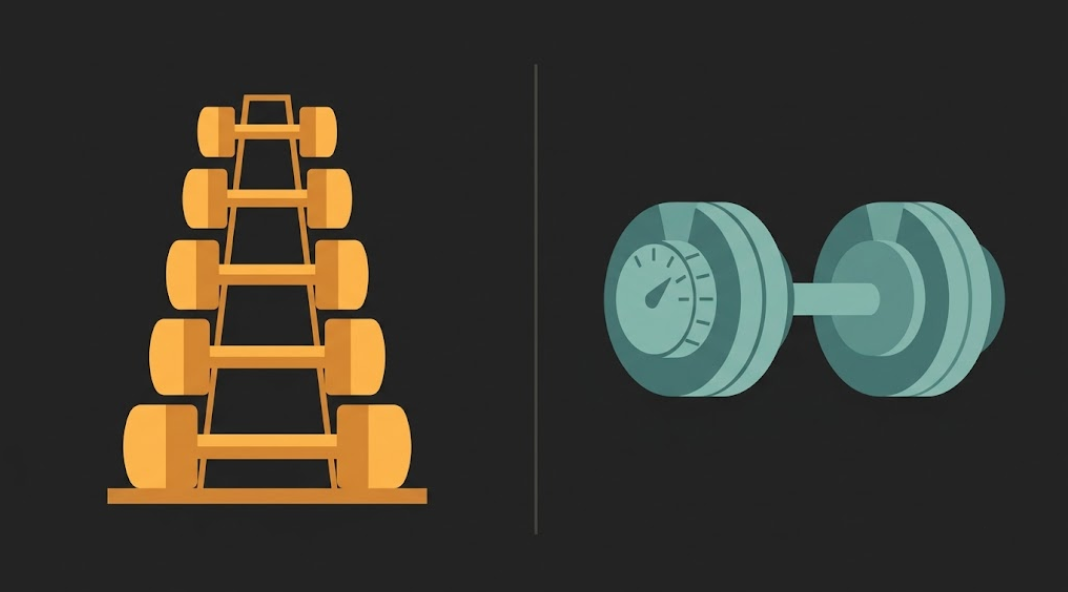
Fixed vs. Adjustable Dumbbells: Which Should You Buy
This is the first real decision, and it comes down to space, budget, and how you train.
Type | Pros | Trade-offs |
Fixed dumbbells | Durable, instantly ready to grab, no fiddling mid-set | Need multiple pairs to progress, more cost and floor space over time |
Adjustable dumbbells | One pair covers a wide weight range, saves space and money long-term | Slightly bulkier feel, brief pause to change loads between exercises |
For most home setups, a few fixed pairs at your everyday working weights is the simplest and most reliable place to start. Adjustable dumbbells make more sense if space is tight or you're still figuring out what weights you'll actually settle into.
Steel, Rubber, or Vinyl: Dumbbell Materials Compared
Steel dumbbells: the most durable option and standard in most commercial gyms. Bare steel can be noisy and harder on floors if dropped.
Rubber-coated: quieter, more floor-friendly, and less likely to chip or rust over time, a common choice for home use.
Vinyl-coated: the most budget-friendly option, fine for lighter weights but less durable under heavy daily use.
What Weights Should You Actually Start With
Buying too heavy is one of the most common mistakes, and it usually means the dumbbells end up in a corner rather than in regular use.
Experience Level | Suggested Starting Range |
Complete beginner | 2kg to 5kg per dumbbell; focus on learning form |
Some training experience | 5kg to 10kg per dumbbell, depending on the exercise |
Intermediate and beyond | 10kg to 20kg or higher, varies significantly by exercise and muscle group |
A practical starter setup is a light pair for shoulders and warm-ups, a medium pair for arm and accessory work, and a heavier pair for rows and squats. You'll naturally figure out where you need more weight within the first few weeks of consistent use.
Dumbbells for Women: What's Actually Different
The short answer is nothing about the equipment itself. The exercises, weight progression, and training principles are identical regardless of gender, the difference is usually starting weight, since many women begin with less prior strength training experience, not because of any physiological limit on what's appropriate to lift.
A common concern is that lifting weights will lead to unwanted bulk. This isn't how muscle building works for most women, significant muscle growth requires a sustained training and nutrition approach specifically aimed at that outcome, and it happens slowly even then. A dumbbell for women is the same dumbbell, used the same way, the marketing distinction is mostly about starting weight and color, not function.
Buying Dumbbells Online: What to Check Before You Purchase
Whether you're buying dumbbells online or in person, a few checks help you avoid a set you'll regret.
Weight accuracy: cheaper sets sometimes vary noticeably from their labeled weight. Reviews mentioning accuracy are worth reading before buying.
Coating quality: check for reviews mentioning peeling, cracking, or smell, especially with rubber or vinyl coatings.
Grip comfort: handle diameter matters more than it seems, too thick or too thin affects grip strength and comfort over long sets.
Return policy: dumbbells are heavy and awkward to return, worth confirming the policy before ordering rather than after.
Dumbbells at Home vs. at the Gym
A full set of dumbbells covering a useful weight range can run anywhere from a few thousand rupees for a basic vinyl set to well over ten thousand for a quality adjustable pair or several fixed pairs. That's a real upfront cost, and it's worth weighing against what a gym membership already gives you.
A gym gives you access to a full weight range without buying it all yourself, plus machines and space you're unlikely to replicate at home. If you're still deciding, it's worth taking a look at 24-hour gyms near you to compare what's available before committing to a full home setup. Plenty of people land on a middle path too, a light home set for convenience, paired with a gym membership for heavier or more varied training.
A Simple Starter Dumbbell Routine
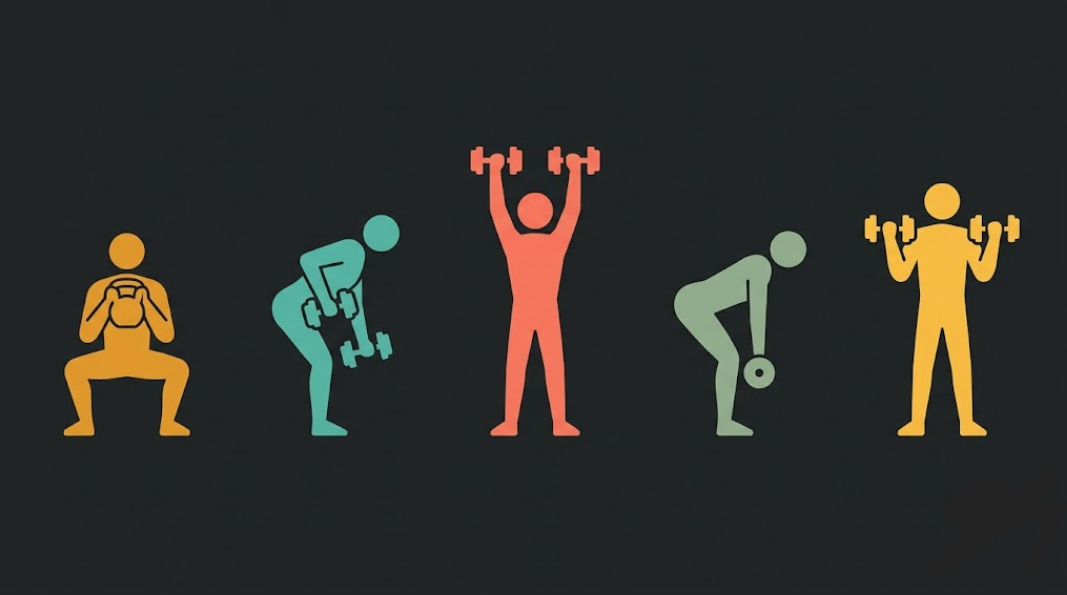
Once you've settled on weights, a basic full-body routine is enough to get real value from a pair of dumbbells. Aim for 3 sets of 10 to 12 reps per exercise, resting 60 to 90 seconds between sets.
Goblet squat: holds one dumbbell at chest height, works legs and core.
Dumbbell row: one arm at a time, builds back strength and posture.
Shoulder press: seated or standing, builds shoulder and upper body strength.
Romanian deadlift: hinges at the hips, targets hamstrings and glutes.
Bicep curl: simple and effective, don't let it be the only exercise you do.
Two to three sessions a week with this structure covers most of what a beginner needs. If you're also using a treadmill or other cardio equipment, pairing dumbbells with a structured cardio routine rounds out a genuinely complete home setup.
Where Dumbbells Fit in a Full Home Gym Setup
Dumbbells are usually the foundation of a home gym, but they work better alongside a few other pieces rather than as the only equipment in the room. This full home gym equipment checklist walks through what else is worth adding as your setup grows, and if you're still deciding what to prioritize first, this comparison of core gym equipment breaks down how dumbbells stack up against other options for your budget.
Conclusion
Dumbbells are one of the best investments you can make in a home gym, but only if the weights actually match how you train and you have a routine to use them consistently. Start with a sensible weight range rather than the heaviest set you can afford, check the practical details before buying online, and use the starter routine above to make sure they don't end up gathering dust in a corner.
And if you're still weighing a home setup against gym access, browse gyms in your city before deciding either way.


