


Treadmill Guide 2026: How to Choose, Use, and Get Real Results From It
Every January, thousands of treadmills get carried into Indian homes with the best intentions attached. By March, a good number of them are folded up in a corner holding a stack of laundry. The problem usually isn't the machine. It's that nobody tells you what to actually do on it once it's plugged in.
A treadmill is one of the most useful pieces of equipment you can own, but only if you understand how to use it well and whether buying one even makes sense for your situation in the first place. This guide covers both sides of that question: how to pick the right treadmill if you're buying, and how to train on it so it earns its keep instead of becoming furniture.
What Is a Treadmill and Who Actually Needs One
A treadmill is a motorized or manual machine with a moving belt that lets you walk, jog, or run in place. Motorized models use a motor to drive the belt at a set speed, while manual treadmills rely on your own footstrike to keep the belt moving, which makes them cheaper but harder to control for pace and incline.
You'll get the most value from a treadmill if you live somewhere with unreliable weather for outdoor runs, keep irregular hours that don't match a gym's schedule, or simply want a lower-friction way to hit your daily steps without leaving the house. If none of that applies to you, a gym membership or outdoor running might serve you just as well for less money.
Treadmill for Home vs. Gym: Which Makes More Sense for You
This is the question most buying guides skip entirely, and it's usually the one that matters most. A mid-range home treadmill in India runs anywhere from twenty thousand to sixty thousand rupees upfront, plus electricity, occasional servicing, and the floor space it permanently occupies. A gym membership spreads that cost out monthly and gets you a treadmill along with everything else a gym floor offers.
The honest way to decide is to think about what actually gets you moving. If you know yourself well enough to use equipment sitting in your bedroom, a home treadmill for home use pays for itself within a year or two. If you do better with a change of environment or the mild social pressure of other people around you, a gym will get you further per rupee spent.
If a gym looks like the better fit once you weigh it out, it helps to actually browse 24-hour gyms near you before you commit to a home setup, just to see what's realistically available in your city and at what price.
There's also a middle path worth mentioning: some people buy a compact treadmill for low-intensity walking at home and keep a gym membership for actual training. Neither choice is wrong. What matters is being honest about your own habits before you spend the money.
What to Look For in a Treadmill (If You're Buying)
If you've decided a home treadmill machine is the right call, the spec sheet can feel like a wall of numbers. Here's what actually matters for day-to-day use.
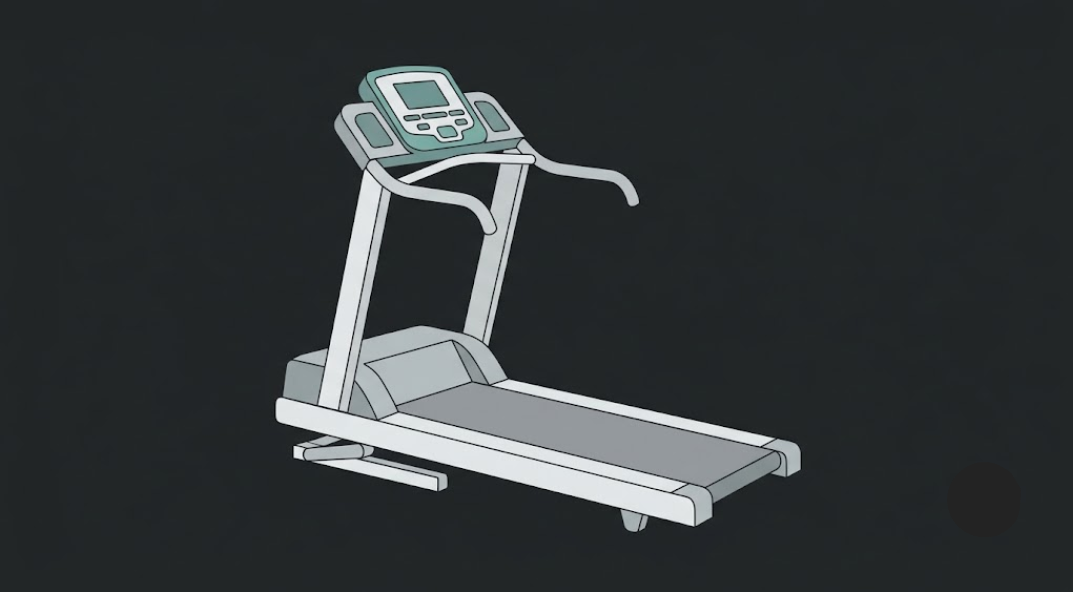
Motor power: 2 to 3 HP continuous duty is enough for walking and light jogging. Serious runners should look for 3.5 HP or higher to avoid the motor straining during longer sessions.
Belt size: a running surface of at least 1200mm by 420mm gives you enough room to move naturally without feeling boxed in, especially if you're taller than average.
Weight capacity: check the rated capacity against your own weight with some margin. A machine rated close to your exact weight will wear out faster and feel less stable.
Incline range: even a basic manual incline of two or three levels opens up far more effective workouts than flat walking alone, and it's one of the most underused features on home treadmills.
Cushioning: a treadmill with decent shock absorption is noticeably easier on your knees and ankles than a hard, unforgiving deck, particularly if you plan to run rather than just walk.
A treadmill that ticks these boxes will serve you well regardless of brand. Chasing extra screens, apps, or built-in massagers rarely improves the actual workout.
Treadmill Price in India: What Drives the Range
Treadmill prices in India typically span three broad tiers. Entry-level machines under thirty thousand rupees usually come with 2 to 2.5 HP motors, basic manual incline, and smaller belts suited to walking and light jogging. Mid-range treadmills between thirty and sixty thousand rupees add stronger motors, auto-incline, wider belts, and better cushioning. Above sixty thousand rupees, you're generally paying for commercial-grade motors, larger touchscreens, and app integrations built for serious or frequent runners.
The safest approach is to decide your use case first, walking, jogging, or running, and then shop within the tier that supports it rather than being pulled toward features you won't use.
Portable and Foldable Treadmills: When They Make Sense
A portable treadmill or foldable design is worth the trade-off if you live in an apartment where floor space is tight. These models typically sacrifice some motor power and belt size to save room, which is a fair exchange for someone doing light walking sessions but a real limitation if you plan to run regularly. If running is the goal, a fixed-frame treadmill with a larger footprint will hold up better over time.
How to Actually Use a Treadmill: A Beginner's Framework
Buying the right machine solves half the problem. The other half is knowing what to do once you step on it. Here's a simple, four-week starting framework for anyone new to treadmill training.
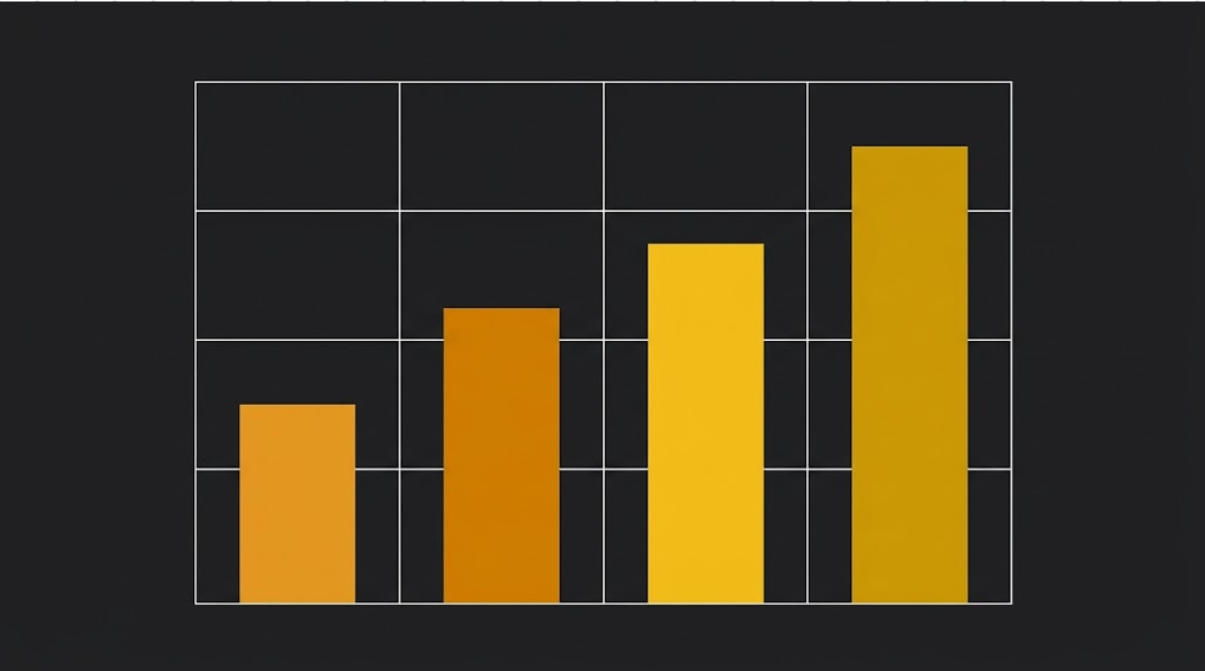
Week 1: walk at a comfortable pace for 20 to 25 minutes, three or four times, keeping the incline flat. The goal is building the habit, not intensity.
Week 2: add a 1 to 2 percent incline to your walks and introduce short one-minute jog intervals every five minutes if you're comfortable.
Week 3: extend sessions to 30 minutes and increase jog intervals to two minutes, alternating with two minutes of walking recovery.
Week 4: aim for a continuous 15 to 20 minute jog at a pace you can hold, bookended by a five-minute walking warm-up and cooldown.
Treadmill sessions work best alongside some strength training rather than as your only form of exercise. Even two short sessions a week with a basic set of dumbbells makes a real difference alongside your cardio.
Common Treadmill Mistakes That Waste the Investment
A handful of habits quietly undo the value of an otherwise good treadmill.
Holding onto the handrails throughout a session, which reduces calorie burn and can throw off your natural running form.
Never touching the incline, which leaves an entire dimension of intensity completely unused.
Starting with unrealistic speed or duration goals and burning out within two weeks instead of building up gradually.
Skipping a warm-up and cooldown, which increases the odds of shin splints and joint soreness early on.
Treadmill vs. Other Home Gym Equipment: Where It Fits
A treadmill covers cardio, but it's only one piece of a functional home setup. If you're building out a space for regular training, it's worth thinking about how it fits alongside strength equipment rather than treating it as a standalone purchase. Working through a full home gym equipment checklist is a good way to see what else earns a place in that setup, and if you're still deciding where to spend your budget first, it helps to see how a treadmill stacks up against other core gym equipment before you buy.
Conclusion
A treadmill can be one of the best investments you make in your own consistency, or it can be an expensive place to hang your clothes. The difference usually comes down to two decisions made before you even plug it in: whether a home treadmill genuinely fits how you live compared to using one at a gym, and whether you actually have a plan for what to do once you're standing on it.
Get those two things right; choose a machine that matches your real use case and follow a simple progression instead of guessing, and a treadmill for home earns its space fast. If you're still weighing it against gym access, it's worth taking a moment to explore gyms in your city before you decide either way.


