


Best Protein Powder for Pregnant Women in India (2026): What to Actually Look For
If you searched for the best protein powder for pregnant women, there's a good chance you were expecting a ranked list, a top pick with a gold star next to it. This isn't that, and here's the honest reason why: no article, including this one, can responsibly tell you which specific product is safe and right for your body, your trimester, your existing prenatal vitamin, and your particular pregnancy without knowing all of that. A generic top-five list would be pretending to a level of certainty that the underlying medical guidance simply doesn't have.
What this guide gives you instead is more useful for an actual purchase decision, a concrete checklist you can apply to any product on the shelf, guidance on reading labels the way a careful buyer would, questions worth bringing to your doctor, and clear red flags that should rule a product out immediately regardless of how well it's marketed.
This article is for general information only and is not medical advice. Always talk to your doctor or a registered dietitian before choosing or starting any supplement during pregnancy; individual needs vary significantly by trimester and health history.
Why This Isn't a Ranked List of Products
Nutrition guidance on protein powder during pregnancy is genuinely mixed among health authorities; some sources have historically cautioned against specially formulated protein supplements during pregnancy, while more recent clinical commentary takes a more conditional view, appropriate in specific situations, with a doctor's guidance and careful product screening. Given that split, confidently ranking commercial products as universally "best" would be presenting more certainty than the underlying medical guidance actually supports.
A checklist you can apply yourself to whatever product your doctor has approved or you're actively considering holds up regardless of which specific brand you're looking at and regardless of how the guidance continues to evolve.
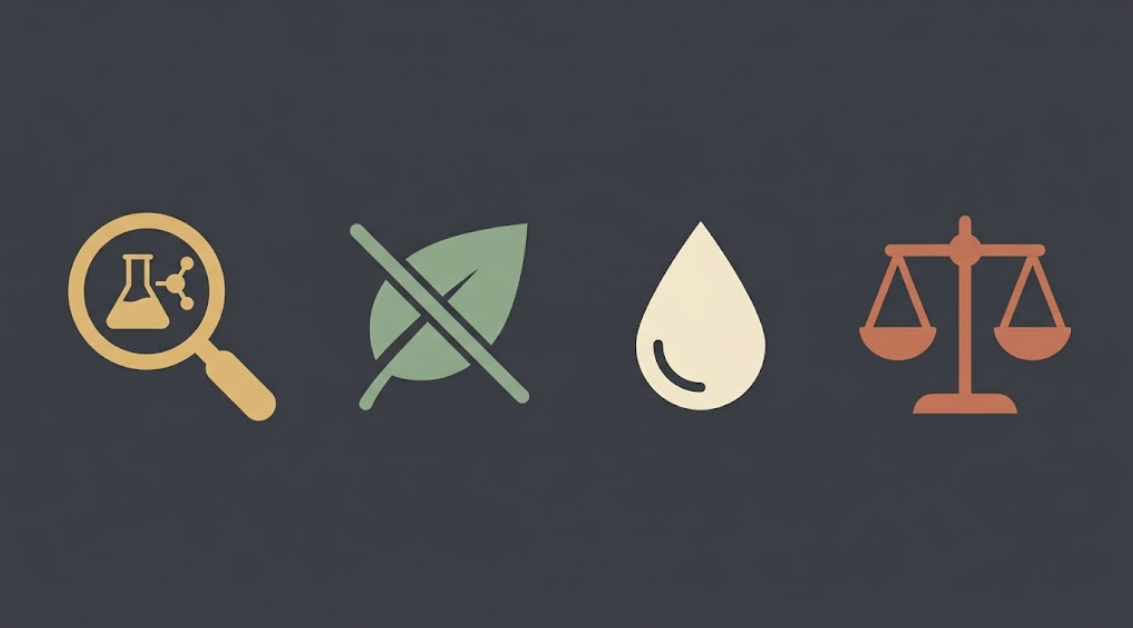
The Evaluation Checklist: What to Check on Any Product
Third-party testing: look for a product independently tested for contaminants such as heavy metals. Protein powders are not tightly regulated, so third-party verification matters more here than it would for many other food products.
No added herbal extracts: many protein powders include herbal ingredients marketed for various benefits. Most haven't been studied for safety during pregnancy, so a plain, simple formula is the more cautious choice.
Sweetener type: plant-derived sweeteners are generally considered a safer default. If a product uses sugar alcohols, be aware they can cause digestive discomfort in some people; pregnancy can make this more noticeable.
Protein source clarity: The label should clearly state whether the protein comes from whey, casein, pea, soy, or another source, so you and your doctor can check it against any known allergies or sensitivities.
Vitamin and mineral overlap: some protein powders are fortified with added vitamins and minerals. Compare this against your existing prenatal vitamin to avoid exceeding safe limits on any single nutrient; iron and vitamin A are worth checking particularly closely.
Realistic serving size: check what protein amount an actual serving provides and whether that fits sensibly into your overall daily intake rather than assuming more is automatically better.
Reading the Label: What Actually Matters
A few practical habits make label-reading faster once you know what you're looking for.
Short ingredient lists are generally a good sign: a long list of additives, flavor enhancers, and unfamiliar compounds is worth extra scrutiny compared to a short, recognizable list.
Check for FSSAI compliance: in India, look for the FSSAI license number on the packaging, which indicates the product meets basic food safety regulatory requirements.
Protein content per serving should be clearly stated: this is what lets you and your doctor calculate how it fits into your daily target; vague or missing numbers are a bad sign.
Batch testing certificates, if available: some manufacturers publish third-party lab results for specific batches; this is a meaningfully stronger signal of quality control than a general safety claim on the packaging alone.
Questions to Ask Your Doctor Before Choosing One
Based on my diet and this specific pregnancy, do I actually need a protein supplement, or can food sources cover it?
Does this particular product's ingredient list raise any concerns given my prenatal vitamin or any conditions I have?
Is the protein source in this product appropriate for me, especially if I have any known allergies or digestive sensitivities?
How much of this should I actually be taking, and does that change as I move through trimesters?
Comparing Two Products Side by Side
If you've narrowed your choices down to two or three products your doctor has approved, a simple side-by-side comparison helps more than reading each label in isolation. Line up the protein amount per serving, the full ingredient list, the sweetener used, and any added vitamins or minerals for each product on a notes app or a piece of paper. This makes it much easier to spot meaningful differences; one product might have a noticeably longer ingredient list, or another might duplicate a vitamin you're already getting from your prenatal at a much higher dose. These details are easy to miss when you're looking at one product at a time but jump out immediately in a direct comparison.
It's also worth checking whether the flavor and texture are things you'll actually want to use daily or every few days; a product with perfect specs on paper isn't useful if you can't tolerate drinking it. Many brands offer smaller trial-size packs specifically for this reason, worth using before committing to a larger container.
Red Flags: When to Skip a Product Entirely
No visible manufacturer information or FSSAI license number: a basic transparency failure that's reason enough to choose a different product.
Vague or exaggerated claims: phrases like "pregnancy superfood" or "clinically proven miracle blend" without specific, checkable evidence are a marketing red flag, not a safety credential.
Proprietary blends that hide exact ingredient amounts: if a label lists a "proprietary blend" without breaking down individual ingredient quantities, you can't actually evaluate what you're taking.
Added stimulants: caffeine or other stimulant ingredients have no place in a pregnancy-appropriate protein powder and should be an automatic disqualifier.

Does a Higher Price Mean a Safer Product
Not necessarily, and it's worth being clear about this since price is often used as an implicit quality signal in marketing. A higher price can reflect better sourcing, more rigorous third-party testing, or genuinely higher-quality ingredients, but it can just as easily reflect brand positioning, premium packaging, or marketing spend that has nothing to do with what's actually safer for you to consume. The checklist earlier in this guide, third-party testing, a clean ingredient list, and clear labeling apply regardless of whether a product sits at the affordable end or the premium end of the shelf.
If budget is a genuine constraint, it's worth knowing that a well-chosen, appropriately screened mid-range or budget product that passes every item on the checklist is a perfectly reasonable choice; you're not compromising on safety by skipping the most expensive option on the shelf.
Pregnancy Meal Protein Powder: Common Local Questions
A few questions come up often enough locally that they're worth addressing directly. Whether protein powder is necessary during pregnancy at all depends on your existing diet; many women meet their needs through food alone, and a supplement is more of a conditional tool for specific situations like severe nausea, a vegetarian or vegan diet, or a doctor-identified gap, not a default addition for everyone. Timing tends to matter less than total daily intake; whether you take it in the morning or evening is far less important than whether the overall amount fits sensibly into your day, something worth confirming with your doctor rather than guessing.
Conclusion
Choosing the best protein powder for pregnancy isn't about finding the one product everyone agrees is safest; it's about knowing exactly what to check on any product in front of you and having the right conversation with your doctor before you commit to one. Run any product you're considering through the checklist above, watch for the red flags, compare your shortlisted options side by side rather than in isolation, and let your doctor have the final say given the specifics of your own pregnancy. A little extra diligence upfront is a small price for the peace of mind that comes with actually understanding what you're putting in your body during pregnancy.

