


Protein Powder for Pregnant Women: Complete Guide (2026)
Standing in the supplement aisle while pregnant, looking at a tub of protein powder, is a strange kind of decision paralysis. Your body needs more protein than it used to, everyone seems to have an opinion, and the label doesn't tell you whether this particular product is actually fine for you right now.
The honest answer about protein powder for pregnant women is that it's not a simple yes or no. It depends on whether your regular diet is already covering your protein needs, and if it isn't, on your doctor's guidance and how carefully you screen the product itself.
How Much Protein Do You Actually Need During Pregnancy
Protein needs rise during pregnancy to support the baby's growth and your own expanding blood volume and tissue. Different health bodies frame the increase slightly differently, some describe it as a gradual rise across trimesters, others give a flat daily target.
As a general point of reference, several clinical sources put total daily protein needs in pregnancy somewhere in the 60 to 100 gram range, trending higher in the second and third trimesters. This is a broad range, not a personal target, your actual number depends on your weight, activity level, and whether you're carrying more than one baby. Your doctor can give you a figure specific to you.
Is It Necessary to Take Protein Powder During Pregnancy
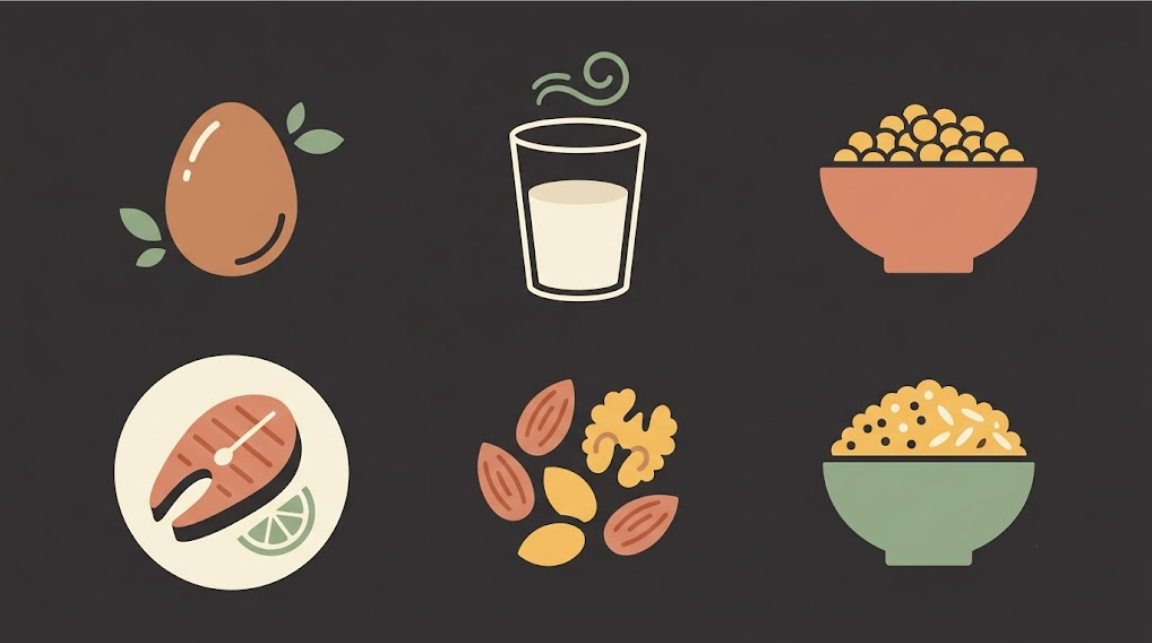
For most pregnant women, no. A varied diet with enough dairy, eggs, legumes, meat or fish, nuts, and whole grains can meet increased protein needs without any supplement. Protein powder becomes a genuinely useful option mainly in specific situations.
Situation | Why Protein Powder May Help |
Severe nausea or low appetite | When food intake drops significantly, a shake can be easier to get down than a full meal |
Vegetarian or vegan diet | Meeting higher protein targets from plant sources alone can be harder without some concentrated source |
Multiple pregnancy (twins or more) | Nutrient requirements increase further, and a doctor may recommend additional protein support |
Underweight or inadequate weight gain | A doctor may suggest a calorie- and protein-dense supplement to help close the gap |
If none of these apply and your diet already covers your protein needs, adding a protein powder on top isn't necessary, and some older nutrition research actually cautioned against high-protein supplementation in pregnancy without a clear medical reason. Whole foods remain the preferred source unless your doctor tells you otherwise.
What to Check Before Choosing a Protein Powder in Pregnancy
If your doctor has suggested protein powder, or you're discussing it as an option, these are the screening points registered dietitians consistently point to.
Third-party testing: look for a product independently tested for contaminants. Protein powders aren't tightly regulated, so this matters more here than it might otherwise.
No added herbs: some protein powders include herbal extracts for various claimed benefits. Many haven't been studied for safety in pregnancy, so a plain formula is the safer choice.
Overlap with your prenatal vitamin: if a protein powder is fortified with extra vitamins and minerals, check it against your prenatal to avoid going over safe limits on any single nutrient.
Sweetener type: plant-derived sweeteners are generally considered a safer default in pregnancy. If a product uses sugar alcohols, be aware they can cause digestive discomfort for some people.
Protein source and heavy metal exposure: some research has found whey-based powders test lower for heavy metals on average than plant-based ones, though this varies by brand and manufacturing process rather than being a fixed rule.
Protein Powder With DHA for Pregnancy: What That Means
DHA is an omega-3 fatty acid recognized as important during pregnancy for the baby's brain and eye development, alongside nutrients like folic acid, iron, iodine, and calcium. Some protein powders are fortified with DHA specifically to combine two pregnancy-relevant nutrients in one product. This can be convenient, but it isn't the only way to get DHA, and it's worth checking with your doctor whether your existing prenatal vitamin already covers it before doubling up.
Risks and Safety Considerations
None of this is meant to be alarming, but it's worth knowing what to watch for.
Contaminants: independent testing has found some protein powders carry detectable levels of heavy metals such as lead, arsenic, or cadmium. Typical intake generally hasn't been linked to clear adverse effects in the research reviewed, but choosing a third-party tested product reduces this risk further.
Artificial sweeteners: research on artificial sweeteners and pregnancy is still developing, with some studies suggesting a possible effect on the baby's gut microbiome. Moderation and plant-derived sweeteners are the more cautious choice.
Unregulated claims: supplements aren't FDA-regulated the way medications are, so label claims aren't independently verified by default. Third-party certification is the closest substitute for that oversight.
Talking to Your Doctor About Protein Supplementation
Bringing this up at your next appointment doesn't need to be complicated. A few useful questions to ask:
Based on my diet and this pregnancy specifically, do I actually need more protein than I'm currently getting?
Is a protein powder a reasonable option for me, or would you recommend focusing on food sources instead?
If you do recommend one, is there anything specific I should avoid in the ingredient list given my prenatal vitamin or any conditions I have?
Your doctor has the full picture of your pregnancy that no article, including this one, can account for. Treat this guide as a starting point for that conversation, not a replacement for it.
Conclusion
Protein powder for pregnant women isn't something to reach for by default, and it isn't something to avoid out of fear either. Most women can meet their increased protein needs through food alone. For those dealing with severe nausea, a vegetarian or vegan diet, a multiple pregnancy, or difficulty maintaining a healthy weight gain, it can be a genuinely useful tool, with the right product and the right guidance.
Whatever you decide, run it by your doctor first, and use the screening checklist above if you do choose to add one to your routine. And if staying active during pregnancy is part of your broader health plan, it's worth checking out women-only gyms near you for a comfortable, supportive space to train.
This article is for general information only and is not medical advice. Protein needs and supplement safety vary by trimester, existing health conditions, and individual pregnancy. Always talk to your doctor or a registered dietitian before starting any supplement during pregnancy.

