


Shoulder Workout Gym: Complete Plan for 2026
Shoulder day has a way of never quite delivering. You show up, do your presses and raises, and either walk out with a joint that feels a little off or a physique that looks the same as it did three months ago. Most of the time, the problem isn't the exercises you're picking. It's that shoulder day rarely gets treated as a structured session, just a loose bundle of moves.
A solid shoulder workout gym routine needs the same thing your chest or back day gets: a sensible order, a rep range that matches your goal, and a plan for progressing week to week. That's what this guide covers, along with a dumbbell-only version and a clear line for when it's time to stop guessing and get an actual coach involved.
Shoulder Anatomy in 60 Seconds
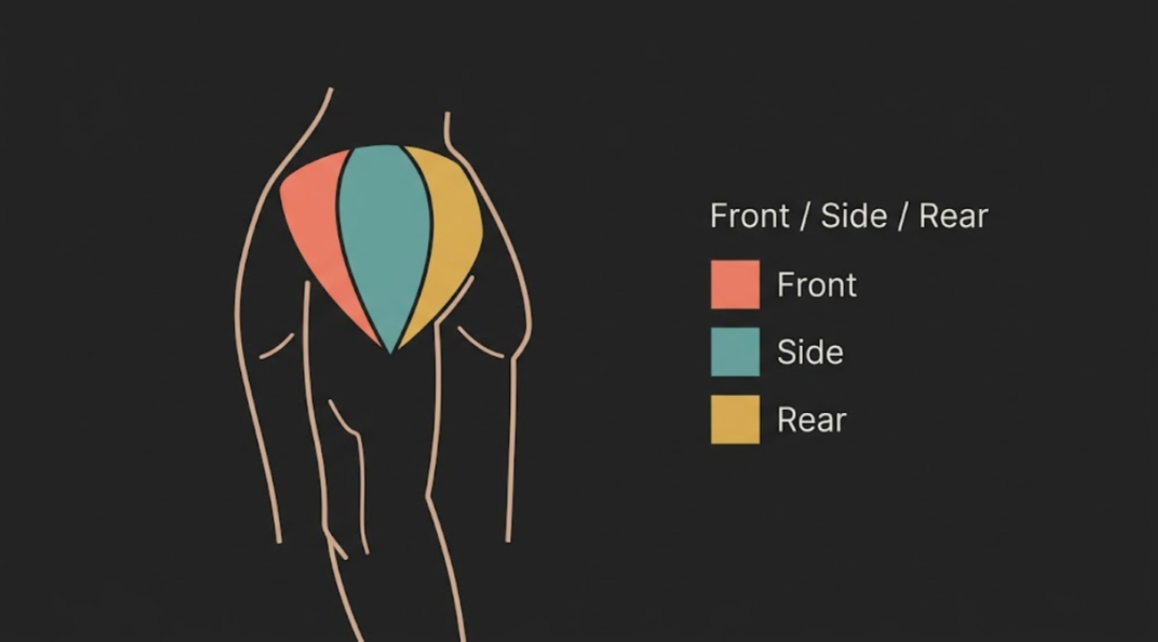
Your shoulder is built from three separate deltoid heads: the front (anterior), the side (lateral), and the rear (posterior). Pressing movements hit the front delt hard, lateral raises target the side, and rear delt work is the piece almost everyone skips. A shoulder that looks and feels balanced needs direct attention on all three, not just the pressing movements that come naturally.
Where Shoulder Day Fits in Your Weekly Split
Shoulder training works well in one of two spots. If you're running a push/pull/legs split, shoulders slot into your push day alongside chest, usually after chest work since your front delts are already involved in pressing. If you prefer a bro split, shoulders can stand on their own as a dedicated day.
Either way works. What matters more is that you're not doing heavy pressing for shoulders and chest back-to-back with no rest between, since both movements lean on the same front delt and tricep muscles. If you're building out the rest of your week, it helps to line this up with your chest day routine, a back day, and your leg training so the whole split actually makes sense together instead of overlapping the same muscles on consecutive days.
The Complete Shoulder Workout at Gym
This routine moves from heavy pressing to lighter isolation work, front deltoid to rear deltoid, which is the order that tends to produce the least joint irritation and the most balanced development. Aim for 3 to 4 sets per exercise, and use a rep range between 6 and 12 depending on the movement. Leave 1 to 2 reps in reserve on most sets, meaning you stop just short of failure and save true failure for your last set only.
Seated dumbbell shoulder press: 4 sets of 6 to 10 reps. Your main strength-builder for the front delt.
Arnold press: 3 sets of 8 to 12 reps. The rotation brings the side delt into the movement more than a standard press.
Cable or dumbbell lateral raise: 3 to 4 sets of 12 to 15 reps. Light weight, strict form. This is the exercise most responsible for shoulder width.
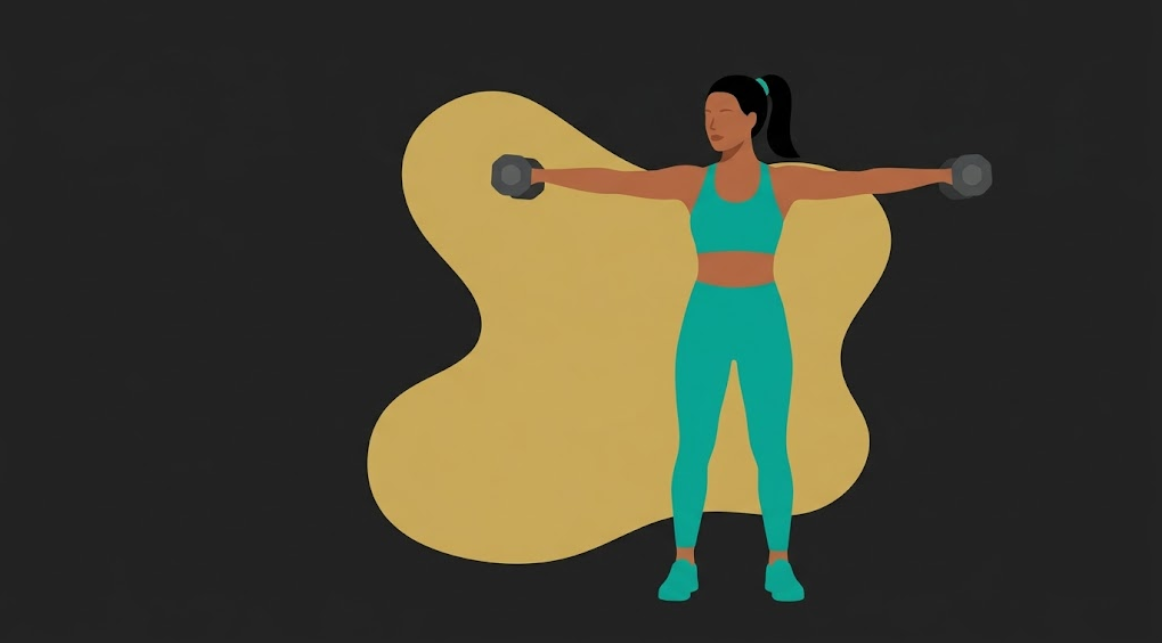
Rear delt fly (cable, dumbbell, or machine): 3 sets of 12 to 15 reps. The most commonly skipped movement and usually the one your shoulders need most.
Face pulls: 2 to 3 sets of 15 to 20 reps, close to failure. Cheap insurance against the shoulder pain that shows up a year or two into training.
Upright row: 3 sets of 8 to 12 reps, optional. Skip this one if it ever causes pinching at the top of the movement.
A full session lands somewhere around 45 minutes with normal rest periods of 60 to 90 seconds between sets. You don't need to add more exercises than this; you need to actually do these consistently and add a little weight or a rep or two most weeks.
Shoulder Workout With Dumbbells (No Machines Needed)
If your gym is short on cable stations or you're training with a limited setup, dumbbells alone can cover a full shoulder day. Swap the cable lateral raise and rear delt fly for their dumbbell versions, keep the seated press and Arnold press as they are, and use bent-over dumbbell rear delt raises in place of the machine version. The exercise order and rep ranges above stay the same.
Shoulder Workout Gym for Men vs. Women
The routine above works the same regardless of gender. Men often search for a shoulder workout gym routine, chasing the broader, capped look that comes with side delt development, while women training shoulders are usually after strength and upper body tone. The muscle doesn't respond any differently. The same exercises, sets, and rep ranges apply either way; just adjust the load to what's challenging for you personally.
Common Shoulder Training Mistakes
Most shoulder pain and stalled progress trace back to a handful of repeatable mistakes.
Overtraining the front delt: pressing movements already hit the front delt through chest day, arm day, and shoulder day. Loading up on even more front-delt-heavy work leaves it overworked while the rear delt lags behind.
Skipping rear delt work entirely: This is the single most common gap. If your shoulders round forward or feel tight, weak rear delts are usually part of the reason.
Ego-lifting on overhead presses: going heavier than your shoulder can stack overhead safely is one of the fastest ways to aggravate the joint. Form breaking down under a heavy press is a sign to drop the weight, not push through it.
No warm-up before pressing: a few minutes of arm circles and light band work before your first working set goes a long way toward keeping the joint healthy.
When to Stop Guessing and Get a Trainer
A structured routine solves most shoulder training problems, but not all of them. If you've been dealing with shoulder pain that doesn't clear up after a week or two of rest and lighter loading, if your pressing numbers have stalled for a couple of months despite following a plan like this one, or if you're genuinely unsure whether your form on the overhead press is putting your shoulder at risk, that's the point where a program on a page stops being enough.
A trainer who can actually watch your movement and adjust your setup in real time catches things that no article, including this one, can fix from a distance. If that sounds like where you're at, it's worth looking into a gym with personal training available rather than continuing to troubleshoot alone.
Conclusion
A good shoulder workout gym routine isn't about collecting more exercises. It's six or seven movements done in a sensible order, at a rep range that matches what you're training for, and run consistently enough that you can actually track progress week to week.
Start with the routine above, adjust the rep ranges as you learn what your shoulders respond to, and don't ignore rear delt work just because it's less exciting than a heavy press. And if pain or a stalled plateau sticks around longer than it should, finding a trainer near you is a faster fix than another few weeks of guessing.

