


Mass Gainer: Complete Guide (2026)
You are eating like it is a job. Roti after roti, extra chicken, an evening snack you did not even want. Still, the mirror looks the same and the weighing scale barely moves. If this sounds familiar, you have probably typed "mass gainer" into Google at least once, wondering if a tub of powder can finally fix your bulking problem.
A mass gainer is one of the most searched supplements in Indian gyms right now, and for good reason. For people who genuinely struggle to eat enough food to grow, it can help close the calorie gap. It is also one of the most misunderstood products on the supplement shelf, oversold by some brands and dismissed too quickly by others.
This guide breaks down what a mass gainer actually is, how it works, who it is for, and how to use one without wasting money or gaining the wrong kind of weight.
What Is a Mass Gainer?
A mass gainer is a supplement built to help you consume more calories and protein than food alone can easily provide. Where a scoop of regular whey protein might give you 100 to 150 calories, a single serving of mass gainer can pack anywhere from 500 to over 1,200 calories, along with 40 to 60 grams of protein.
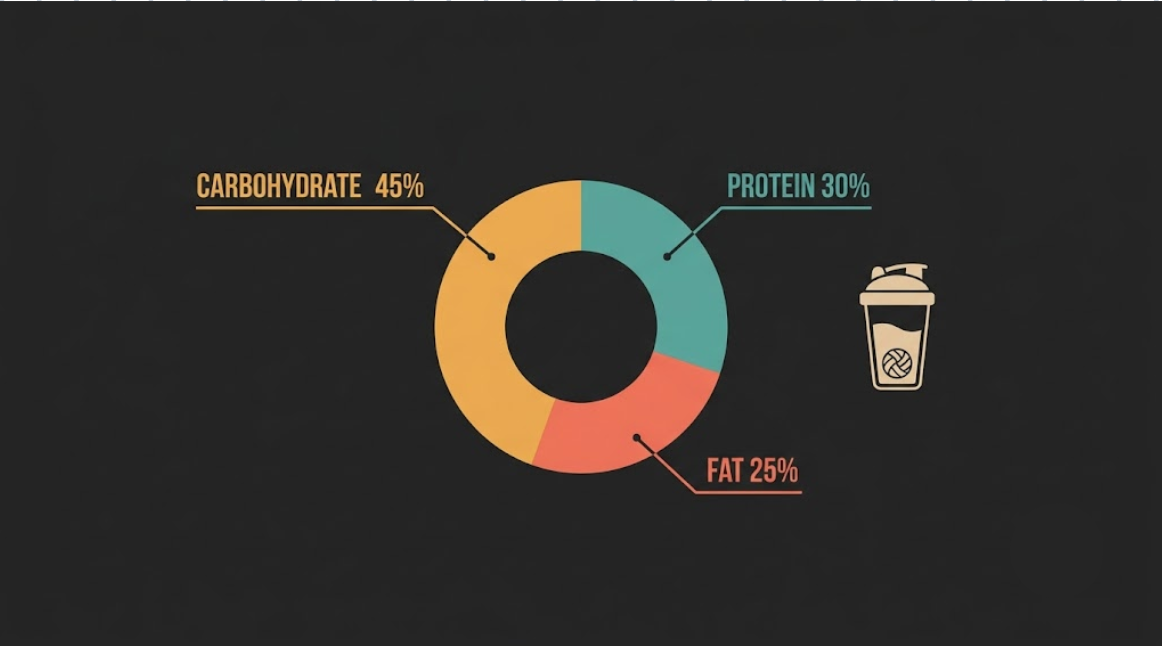
Think of it as a calorie-dense meal in powder form, not a protein supplement with a few extra carbs added in. The bulk of a mass gainer's calories usually come from carbohydrates such as maltodextrin or oats, with protein, often a whey and casein blend, making up the rest.
If you are still unsure which one your body actually needs, this detailed comparison between whey protein and mass gainer breaks down the two side by side. Whey is built to top up protein intake without adding much bulk. A mass gainer is built to add both protein and a large calorie surplus in one serving.
Feature | Whey Protein | Mass Gainer |
Calories per serving | 100 to 150 | 500 to 1,200+ |
Primary macro | Protein | Carbohydrates |
Best for | Topping up daily protein | Hitting a calorie surplus |
Risk if overused | Minimal, hard to overeat | Unwanted fat gain |
In short: if your problem is not eating enough, a mass gainer solves a real problem. If your problem is not training hard enough, no supplement will fix that.
How Mass Gainers Work: Calories, Macros, and Ingredients
Weight gain, in the end, comes down to one simple rule: eat more calories than you burn, consistently, over weeks and months. A mass gainer works by making that calorie surplus easier to hit, especially for people who feel full quickly or have a demanding schedule that leaves little time for five or six meals a day.
A typical serving includes:
Carbohydrates (usually maltodextrin, oats, or a blend of both): the largest calorie contributor, meant to fuel training and daily activity
Protein (whey concentrate, isolate, or a whey-casein blend): supports muscle repair and growth
Fats: often a small amount, sometimes from MCT oil or other added healthy fats
Micronutrients: some brands fortify their gainers with vitamins, minerals, or digestive enzymes
The mechanism is straightforward, but it only works if training matches the eating. Extra calories without resistance training tend to become fat rather than muscle, which is exactly where a lot of people go wrong.
Who Should (and Should Not) Use a Mass Gainer
Not everyone needs a mass gainer, and that is worth saying clearly before any purchase.
A mass gainer likely makes sense if you:
Have a naturally fast metabolism and struggle to gain weight despite eating consistently
Train hard but cannot realistically eat enough whole food to support that training
Have a packed schedule that makes frequent, large meals difficult
Are underweight and have been advised by a doctor or trainer to increase calorie intake
A mass gainer is probably not the right call if you:
Gain weight or fat easily
Are lactose intolerant or have a sensitive digestive system, since many gainers cause bloating
Are already eating enough calories through food but are not seeing results in the gym
Are looking for a shortcut instead of a consistent training programme
Age and current bodyweight matter here too. Teenagers and anyone still growing should be cautious about jumping straight to a full adult serving, a doctor or trainer can help figure out whether that calorie surplus actually fits where they are physically, rather than just matching what an older, heavier lifter is taking. The same caution applies to anyone starting from a very low bodyweight: begin with a partial serving and build up gradually instead of following the full label dose from day one.
This is the part most product pages skip, because it does not help them sell more tubs. An honest answer here saves you both money and stomach trouble.
How to Choose the Best Mass Gainer in India
With dozens of options on the market, choosing the best mass gainer in India comes down to a short checklist rather than brand hype:
Check the protein-to-carb ratio. A reasonable gainer should still deliver meaningful protein, not just cheap carbs and sugar.
Look at added sugar content. Some mass gainers pack unnecessary sugar to boost calories artificially, which does little for muscle growth.
Confirm third-party testing or certification. This matters more for anyone competing in sport, or simply wanting quality assurance.
Consider pack size before committing. A mass gainer 1kg pack is a smart way to trial a flavour and check digestion before buying a larger, more expensive tub.
Read flavour and mixability reviews. A gainer you cannot finish because of taste or texture is a gainer that will not work.
Price per serving, not price per tub, is the number that actually matters when comparing products.
Popular Mass Gainer Brands in India
The checklist above works for evaluating any product, but if you're comparing specific brands, a few names come up constantly in Indian gyms: Big Muscles, MuscleBlaze, Optimum Nutrition Serious Mass, and MB. Each takes a different approach to the protein-to-carb ratio, flavor range, and price per serving, so run them through the checklist above before picking one rather than choosing on brand recognition alone.
Dosage, Timing, and How to Use a Mass Gainer
Most labels recommend one to two servings a day, typically mixed with milk or water depending on how many extra calories you need. Milk adds more calories and protein but also increases lactose content, which matters if digestion is already an issue.
Good timing windows include:
Post-workout, when the body is primed to use incoming nutrients for recovery
Between meals, to add calories without replacing a full meal
Before bed, for those who struggle to eat enough during the day
Many lifters also stack a mass gainer alongside other supplements for strength and size at the same time. If you are adding creatine to your stack, timing and dosage matter just as much as with the gainer itself, and the same goes if you are specifically using creatine monohydrate.
Start with a smaller serving than the label suggests, especially in the first week, so your digestive system has time to adjust before you scale up.
Mass Gainer Side Effects and Safety Considerations
A mass gainer is generally safe for healthy adults, but it is not free of downsides. Bloating, gas, and stomach discomfort are common, particularly with gainers heavy in maltodextrin or lactose.
The bigger risk is unwanted fat gain. Because servings are calorie-dense, it is easy to overshoot your actual needs, especially if you are already eating well through food. For a clearer sense of how much protein and how many calories you actually need, these daily intake guidelines are a useful reference point.
Anyone with an existing condition such as diabetes, kidney issues, or a diagnosed digestive disorder should check with a doctor before adding a mass gainer to their routine.
Conclusion
A mass gainer is not a magic shortcut to muscle, but it is a genuinely useful tool for one specific problem: not eating enough to grow. Used correctly, alongside consistent training and a base diet that already covers your basics, it can help close the gap between your goals and your plate.
Used incorrectly, it just becomes an expensive way to gain fat instead of muscle. The difference comes down to matching the supplement to your actual situation, choosing a quality product, and pairing it with real training.
If you are serious about turning that extra calorie intake into real muscle, the training side of the equation matters just as much as the supplement. A good place to start is to find a gym near you and make sure the work in the gym matches the work in the shaker bottle.


